Where Culture, Nature, and Tourism Flow Together
The Biggest Council of Subak in Bali
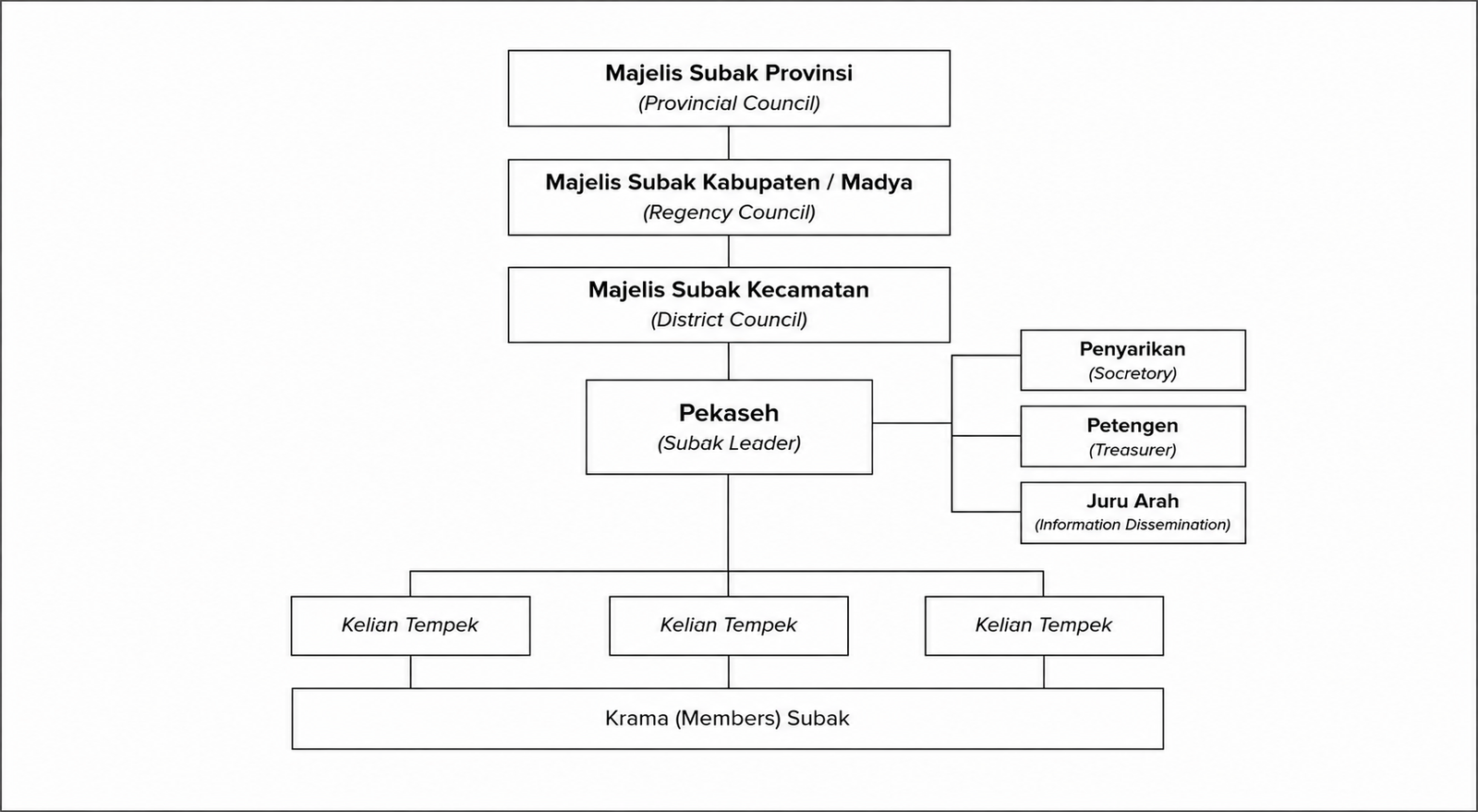
The Provincial Subak Council is an organization that coordinates and supports Subak communities, especially across Bali.
The Provincial Subak Council functions to coordinate, support, and develop Subak organizations across Bali. It also helps preserve Subakβs cultural values, protect farmersβ interests, and promote sustainable agriculture based on Tri Hita Karana.
The Provincial Subak Council is an organization that coordinates and supports Subak communities across Bali. It helps preserve Subak traditions, protect farmersβ interests, and promote sustainable agriculture based on Tri Hita Karana.
Explore the traditional stages of irrigation from Mapag Toya to Tri Hita Karana spiritual alignment.
Spiritual & Ecological Balance
Subak is not merely a traditional irrigation system. It is a social, cultural, agricultural, and spiritual institution that reflects the philosophy of Tri Hita Karana. Tri Hita Karana consists of three main relationships: Parahyangan (harmony between humans and God), Pawongan (harmony among people), and Palemahan (harmony between humans and nature).
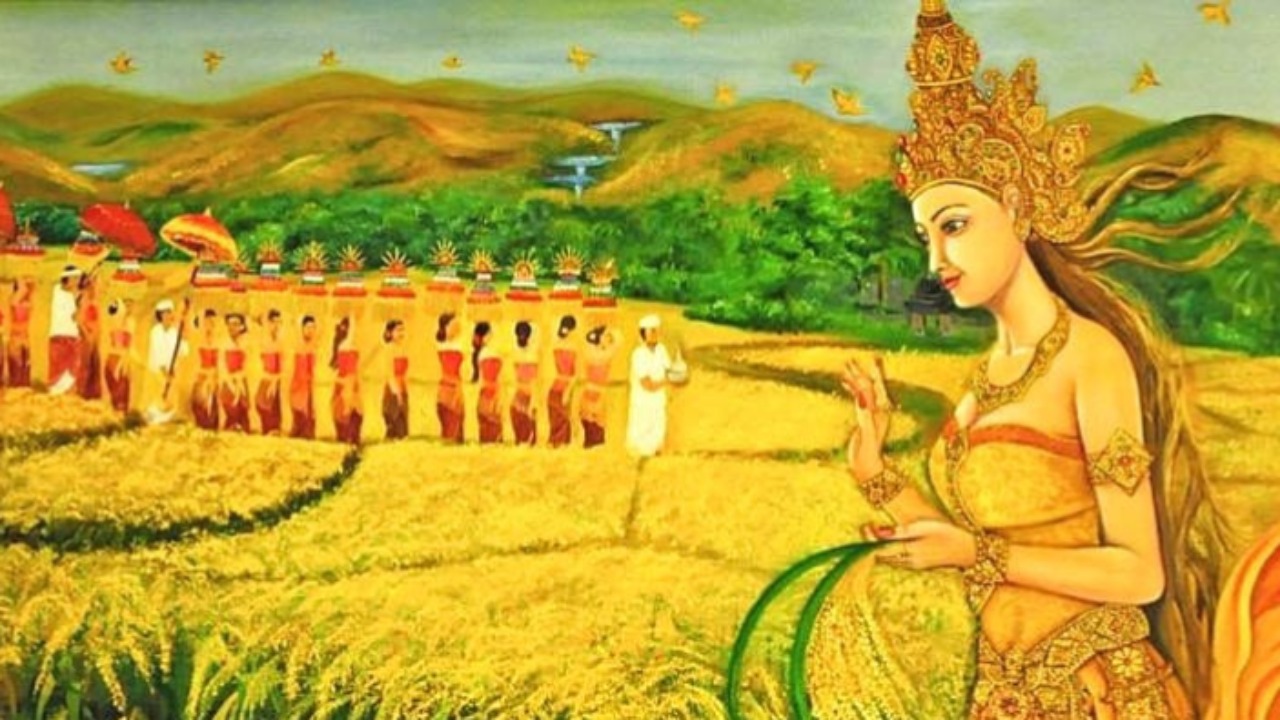
The Parahyangan aspect can be seen through various religious rituals performed throughout the rice-growing cycle. These rituals express gratitude, prayers for protection, and respect for God and the forces of nature that support agriculture.
The process from planting to harvesting rice includes several stages:
These rituals demonstrate that farming in the Subak system is not merely an economic activity, but also a spiritual practice. Each stage reflects the farmers' respect for God and their belief in maintaining harmony throughout the agricultural cycle.
The Pawongan aspect is reflected in the strong culture of gotong royong, or mutual cooperation, within Subak communities.
Farmers do not work individually. They cooperate in managing irrigation, maintaining water channels, carrying out agricultural activities, solving problems, and making decisions that affect the entire community.
This cooperation builds solidarity, responsibility, equality, and a sense of community. Through meetings and collective decision-making, Subak encourages farmers to prioritize shared interests rather than individual interests.
Therefore, Subak is not only a system that connects farmers with their fields, but also a system that strengthens social relationships and community unity.
The Palemahan aspect is reflected in the way Subak manages natural resources while maintaining environmental balance.
Subak manages water through a shared irrigation network, where the distribution of water is coordinated according to the needs of farmers and the availability of water. This demonstrates that nature is not simply a resource to be exploited, but something that must be respected and protected.
Subak should therefore not be viewed as equivalent to a deep well or technological innovation that extracts water without considering the surrounding environment. While technology can provide solutions to agricultural problems, it should not destroy the natural systems that sustain agriculture.
Instead, innovation should work together with local wisdom. Modern technology can support Subak as long as it respects water availability, ecosystems, agricultural land, and the balance of nature.
This makes Subak an important example of sustainable environmental management, where human needs and environmental preservation can exist together.
Step 2
Taking Example From the Beggining to The End of Jatiluwih Irrigation System
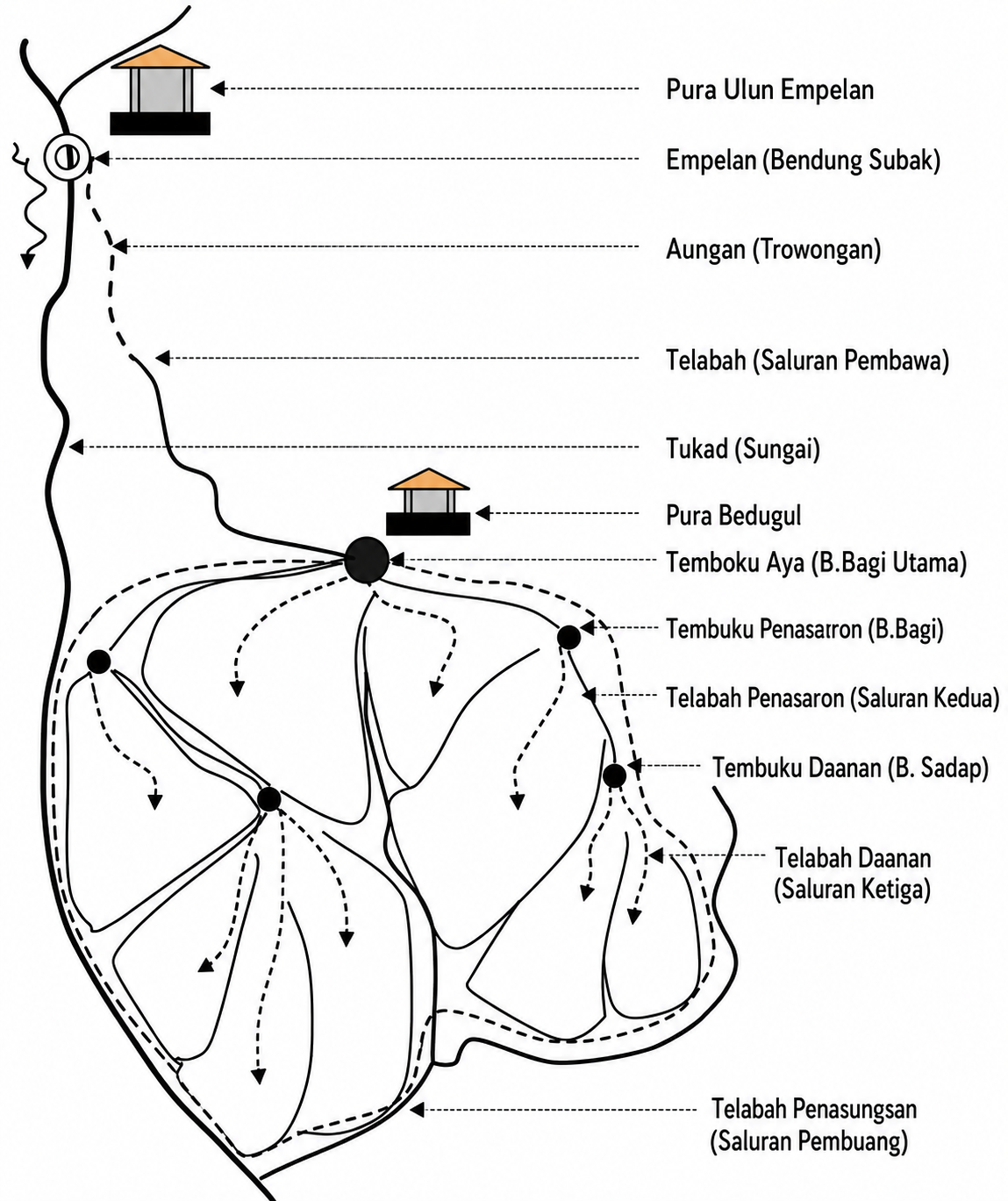
The water journey in Jatiluwih Subak begins at the umbul near Pura Ulun Suwi Gunung Sari. From there, water flows through Tukad Yeh Aya and Tukad Yeh Bah before reaching the Jatiluwih Weir, where it is directed into the Subak irrigation network.
From the weir, water flows through the main and secondary canals and is gradually divided using tembuku before reaching smaller telabah that carry water to individual rice fields. Drainage channels then remove excess water, helping maintain a balanced irrigation system.
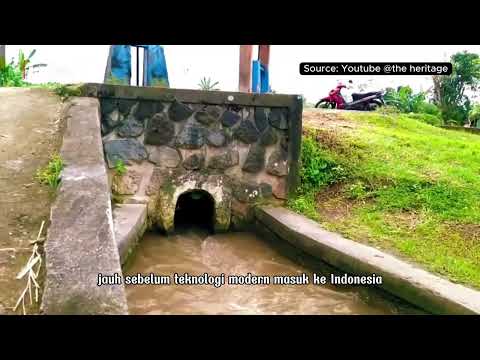
Water in the Subak system moves through a series of connected structures, each with a different function. The empelan collects the water, while the buka controls its entry into the system. Water then passes through the awungan or tunnels and the andungan, which helps collect sediment.
From there, the Telabah Gede carries the water through the main canal. The Tembuku Aya divides the flow, allowing water to continue through smaller canals such as the Telabah Cerik and eventually reach individual fields through the Telabah Pengalapan. Any excess water is carried away through the drainage system.
Step 3
Regulations Protect The Land
This regulation provides a legal foundation for the protection, preservation, and development of Subak in Bali. It recognizes Subak as an important traditional institution that supports agriculture, water management, culture, and the implementation of Tri Hita Karana. The regulation aims to ensure that Subak can continue to function and adapt to social and environmental changes.
This law aims to protect agricultural land from uncontrolled conversion into non-agricultural uses. It is important for Subak because the sustainability of Subak depends on the continued existence of agricultural land. By protecting productive farmland, the law indirectly helps maintain irrigation systems, agricultural activities, food production, and the Subak community.
This regulation strengthens government efforts to control the conversion of agricultural land into other uses. It supports more careful planning and supervision of land-use changes so that agricultural areas and food-producing land are not easily lost. For Subak, this is important because uncontrolled land conversion can disrupt irrigation networks and threaten the continuity of Subak.
This regulation supports the collection, management, and availability of data related to land conversion. Accurate data helps the government monitor changes in agricultural land and make better decisions regarding land-use planning and protection. For Subak, reliable land-conversion data can help identify areas at risk of losing agricultural land and support better protection of Subak areas.
Step 4
Sacred Storage, Sacred Meanings
In Balinese culture, rice is not merely considered food, but is regarded as a sacred representation of prosperity, life, and divine blessings. Traditionally, Balinese people can preserve harvested rice for many yearsβeven up to around 30 yearsβby storing it in a traditional rice barn called Jineng or Gelebeg. This traditional storage system reflects the importance of rice as a source of life and prosperity for the community.
The spiritual meaning of rice can be understood through its transformation from seed to food, with each stage associated with a different divine manifestation.
This belief demonstrates the deep connection between agriculture, spirituality, and daily life in Bali. From the moment a seed is planted until it becomes the rice on our plate, every stage is treated with respect and gratitude. It also reflects the Parahyangan aspect of Tri Hita Karana, where agricultural activities are connected to a spiritual relationship with the divine.
Experience the balance of sustainable agricultural practices, maintenance, and interactive irrigation simulation.
Three Ways to Happiness & Balance
Fairness from Source to Sea
Whether you're seeking peaceful landscapes, authentic culture, or unforgettable outdoor adventures, Jatiluwih offers an experience unlike anywhere else in Bali.
DTW Jatiluwih, Penebel, Tabanan
Contacts : Wonderfuljatiluwih@gmail.com & @jatiluwihdestination (Instagram)
Natural Pest Management
Test how the Pekaseh balances upstream spring water distribution to prevent floods and drought across terraced paddies.
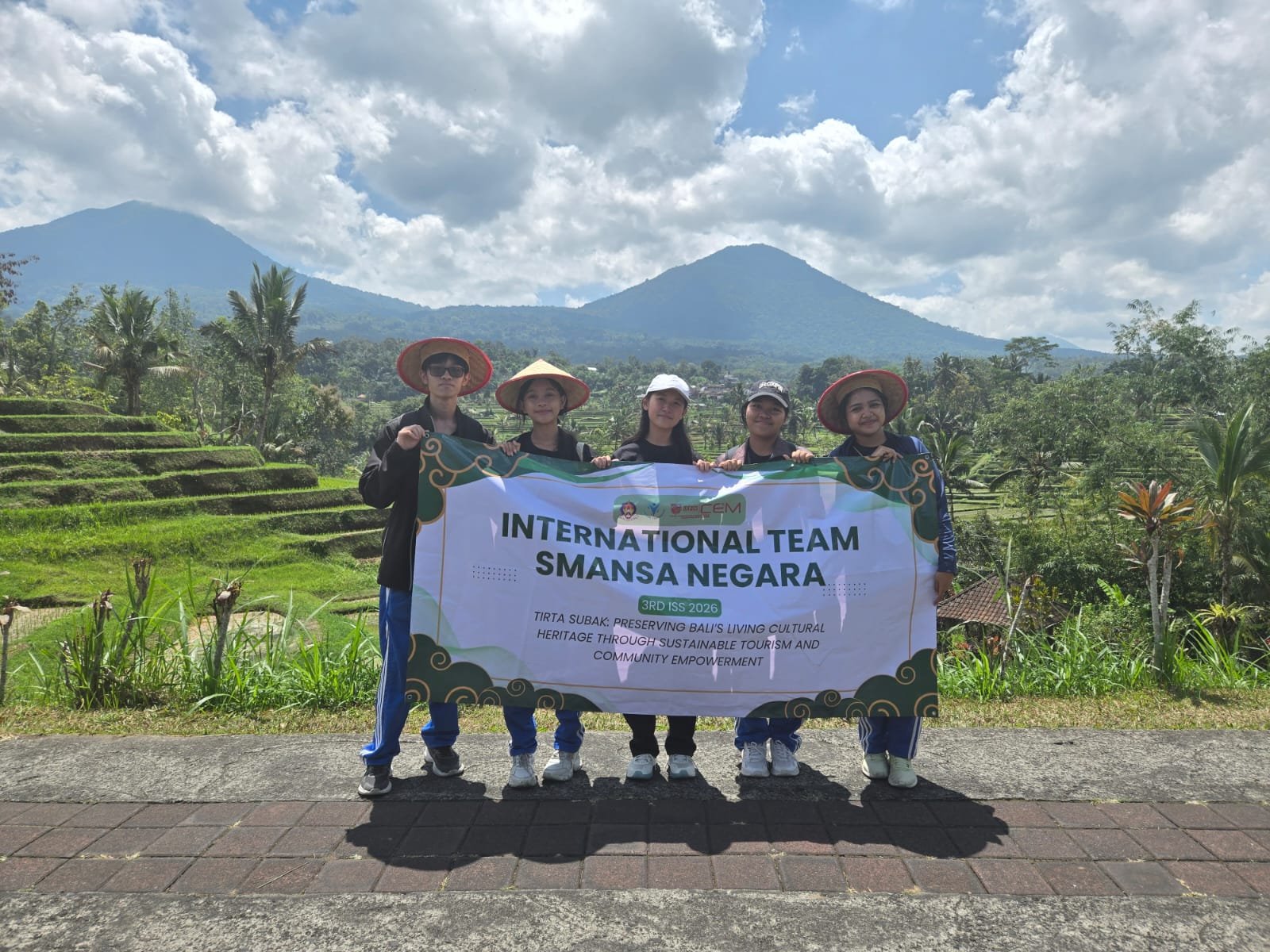
Meet with Us : Greetings! I am Ni Putu Vidya Nirmala Suwarbawa (Leader of International Team SMANSA NEGARA). Thankyou for visiting our Website, hope you Enjoy! Warm Regards, International Team SMANSA NEGARA.
Explore the breathtaking world-famous water temples and terraced irrigation systems in detail.
Discover the spiritual Tri Hita Karana philosophy and how farmers maintain communal water harmony.
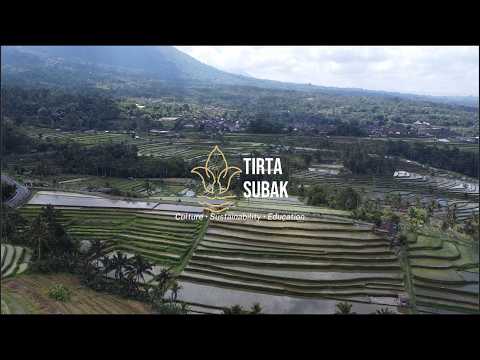
A visual journey through Jatiluwih terraces and ancient subterranean water tunnels.
Real Documenter Video from Our Team